Valve is facing the most serious legal and regulatory pressure of its existence over Counter-Strike 2's loot box system — and the company is quietly pivoting away from traditional cases in response. Two major lawsuits filed in early 2026 allege that CS2's case-opening mechanic constitutes illegal gambling. In parallel, Valve has begun replacing blind loot boxes with a new "Terminal" format that shows players which items they can win before purchase. The combination is reshaping one of the most lucrative virtual economies in gaming.
The Two Lawsuits
New York AG v. Valve (Filed February 25, 2026)
New York Attorney General Letitia James filed People of New York v. Valve Corporation in February, alleging that Valve "illegally promotes gambling through video games popular with children and teenagers." The complaint specifically targets:
- Counter-Strike 2 case openings
- Team Fortress 2 crates
- Dota 2 treasures
The core allegation: the mechanic "resembles a slot machine, with an animated spinning wheel that eventually rests on a selected item," and the randomly selected virtual items "can be sold online for money" — creating what the AG describes as an unregulated gambling market accessible to minors.
The lawsuit seeks injunctive relief (forcing Valve to change the mechanic in New York) and monetary penalties. Valve has 60 days from filing to formally respond.
Flauto et al. v. Valve (Filed March 9, 2026)
A federal class action filed in the U.S. District Court for the Western District of Washington represents a separate threat. The class action alleges the same core mechanics but on behalf of individual players rather than the state. If certified, the class could include every U.S. player who has ever opened a CS2 case — potentially millions of plaintiffs and damages in the billions.
Unlike the NY AG case, the class action is in federal court, which means a ruling would apply nationwide.
Valve's Response: The Terminal Format
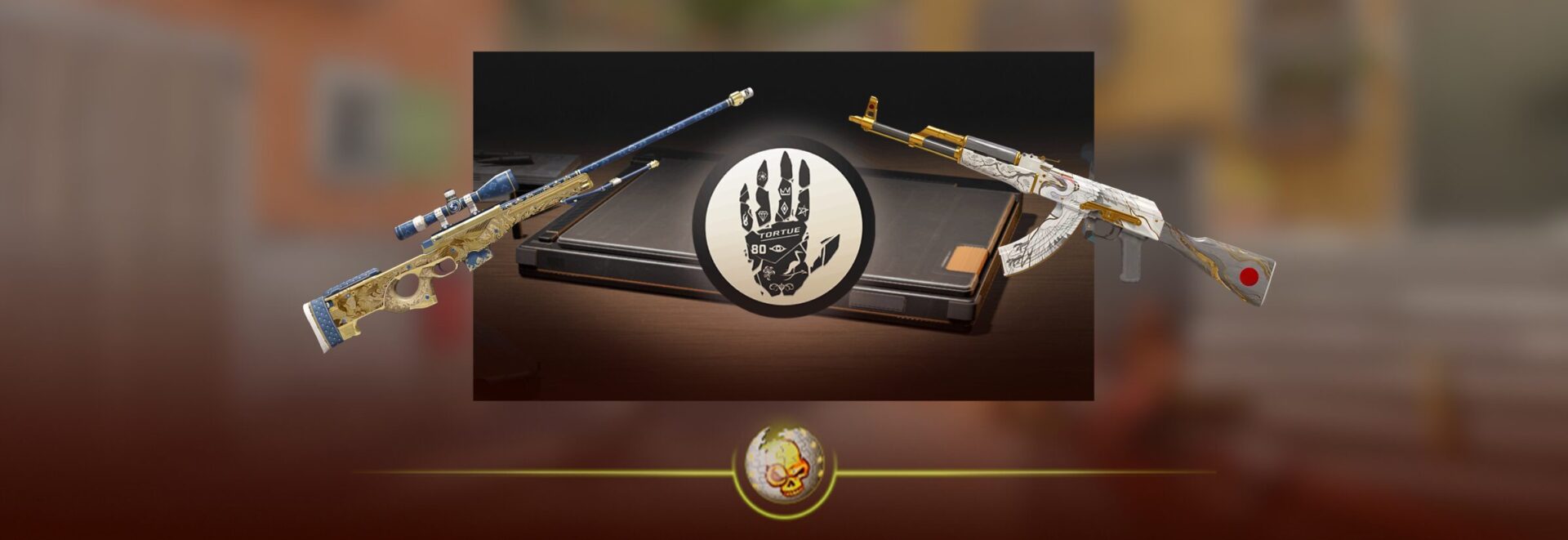
Rather than waiting for a verdict, Valve has been quietly transitioning CS2's skin delivery mechanism. The Dead Hand Terminal, released in March 2026, is the template for what comes next:
- Items are visible before purchase — players see a defined set of skins they can obtain, not a random spin
- Player chooses from offered sequence — the randomization element is reduced (though not entirely eliminated — pattern/float remains variable)
- No animated slot-machine spin — the visual gambling metaphor is removed
This is a legally different product. Courts have historically been more tolerant of purchase-based mechanics where the buyer knows what they're getting. By shifting to a "see what's available → buy → collect" model, Valve potentially sidesteps the gambling characterization.
Germany: The Test Case
Valve had already made regional concessions before the lawsuits. In early March 2026, the company announced that German players would only be able to open containers via the X-ray Scanner mechanic — a different delivery system that reveals the item before purchase — specifically to comply with German gambling law.
The German approach likely serves as a template for what Valve might roll out globally if lawsuits succeed. Markets where gambling regulation is tight (EU, UK, some US states) would get the X-ray mechanic. Markets with looser regulation might retain traditional cases.
Market Impact
The skin economy has reacted with uncertainty. Total CS2 skin market cap of ~$1.65 billion has held relatively stable, but trading volume has declined modestly since the lawsuits hit news cycles:
- Daily Steam Marketplace turnover: ~$4.8M/day (down from $5.2M/day pre-lawsuit)
- Case prices: Discontinued cases (Gamma Doppler, Broken Fang) are UP 5-10% as collectors hedge against potential future mechanic changes
- Knife and glove prices: Largely stable — these items hold value regardless of how they're obtained
- Newer Covert skins: Slightly softer, as uncertainty about future drop mechanics affects speculation
What Happens If Valve Loses
Scenarios if the NY AG case or class action produces an unfavorable outcome:
Most Likely (60%): Regional Compliance
Valve adopts the Germany model across affected jurisdictions (New York, Washington, possibly other states that join). Traditional cases remain available in markets without active legal challenges. Business continues with regional fragmentation.
Possible (25%): Global Transition
If the federal class action succeeds, Valve may opt for a global switch to the Terminal/X-ray format to avoid fragmentation complexity. The skin economy continues but the ritual of "case opening" as a spectator experience fundamentally changes.
Less Likely (15%): Major Settlement
Valve settles both lawsuits for substantial monetary damages ($100M+) plus mechanical changes. Skin market absorbs the news but survives.
What This Means for Users
- Existing skins are safe — the lawsuits target the delivery mechanic, not existing inventory. Your AWP Dragon Lore doesn't become illegal
- Trading continues — Steam Marketplace and third-party platforms (Skinport, Waxpeer, CSFloat) are not affected by the lawsuits
- Case purchases may become unavailable in your region — depending on where you live and how the legal cases resolve, you may eventually only have access to Terminal-format purchases
- Community cases in the drop pool — unlikely to be affected; drops are free and not considered gambling
Industry Context
The Valve cases are part of a broader global pushback on loot-box mechanics. Belgium banned them outright in 2018. The Netherlands forced EA to change FIFA's loot-box mechanics in 2022. South Korea's 2024 loot-box transparency law required publishers to disclose drop rates. The US has been slower to act, but the New York AG case and federal class action suggest the regulatory window is opening.
Whatever Valve does in response will set the template for the next decade of how virtual item economies are structured. This is not just a CS2 story — it's a gaming-industry-wide inflection point.
Bottom Line
Valve is likely to survive the legal challenges but not unchanged. The Terminal format rollout, the Germany compliance move, and the quiet phase-out of blind loot boxes are all signs that the company is preparing for a post-gambling-mechanic future. For CS2 players, the experience of opening cases in 2026 is likely the last generation of that specific ritual. The skin economy continues — but in a legally different shape.